Ideation
Idea Prioritization
Idea Scoping
Ideation Synthesis
Divergent Ideation
Leveraging our research insights, I facilitated an ideation workshop that began with individual brainstorming to encourage diverse thinking before converging as a team.
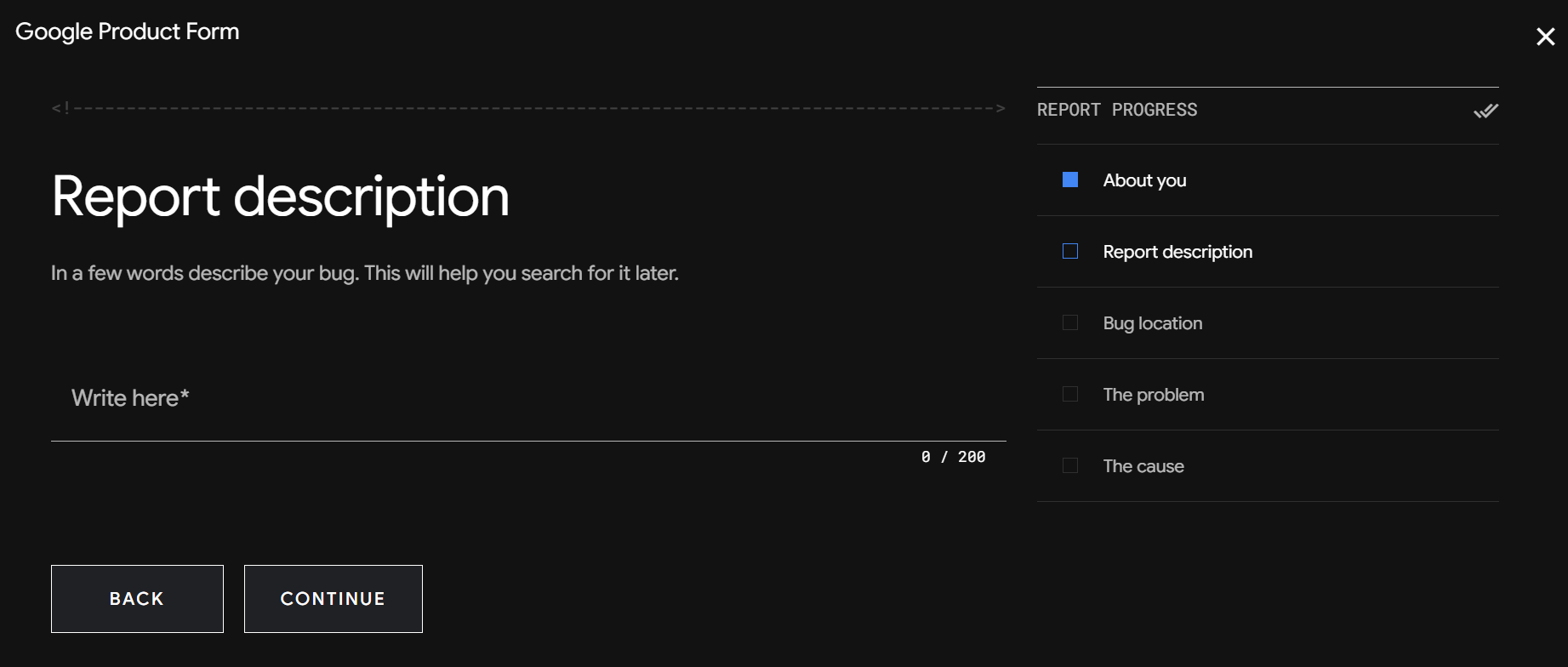
My concepts focused on enhancing the existing VRP form through clearer guidance and progress tracking, supported by AI-driven insights that help reporters understand the novelty and quality of their submissions.
Several of my ideas are outlined below:
Content Flagging
Flag unacceptable form content
AI Gap Filling
AI recommends missing content
Collaborative Reporting
Hunters build reports together
Report Assistant
Conversational focus AI assistant
Form Walkthrough
Structured report onboarding
Dynamic Incentive
Adjust reward based on quality
Dynamic Templates
Report specific templates
Progress Tracking
Report progress & AI use metrics

Playbook Website
Provide reporting options & outcomes
Attribute Summary
Summarize missing report attributes
Automated Deduplication
Detect duplicate content in real time
Incentivized Structuring
Content based reward progression
Report Chatbot
Answers report content questions
Report Alerts
Alert if content violates guidelines
I led a convergent ideation workshop with my team to provide focus to our 34 ideas. I guided the team to identify unique solutions, combine adjacent pairs, and unify similar ideas together. Parent and children ideas were visualized accordingly.
I noticed two possible solution mediums emerge: form and portal. Form features built off the existing report form structure. A portal could offer a larger range of reporting support inclusive of form specific features.
All these ideas and potential mediums raised many design, technical, and impact questions. We needed to find focus and prioritize to hone our project vision.
I created an impact-feasibility matrix to visually prioritize what ideas the team could pursue. I led a co-working session with our engineers to scope technical feasibility while I provided research and design insights.
This process allowed the team to dynamically prioritize ideas, identify constraints, and ensure our next steps provided high impact to Bug Reporters and Android Security stakeholders.
Automated Duplicate Check

Automatically detect content similarity and notify bug reporters as they fill out their report
Automated Flagging & Guidance
AI provides real-time guidance to structure input fields while flagging low-quality content
Automated Flagging & Guidance
AI provides real-time guidance to structure input fields while flagging low-quality content
Automated Flagging & Guidance
AI provides real-time guidance to structure input fields while flagging low-quality content
Explicit Form Instructions
Provide formatting guidance for each input filed with specific content instructions
Form Walkthrough & Examples
Provide a guided walkthrough of each report field with validated high-quality examples
Placeholder Templates & Content
Include bug-specific report templates with placeholder content for a robust launch point
Automated Flagging & Guidance
AI provides real-time guidance to structure input fields while flagging low-quality content
Collaborative Bug Reporting
Connect reporters together to build a bug report in unison and share potential rewards
Report Progress Tracking
Track report progress and AI involvement metrics to validate report efficacy
Automated Report Querying
Automatically request missing content from reporters via a secondary submission
Confirm Experience Level
Gauge reporters experience level to boost signal on potential quality variance
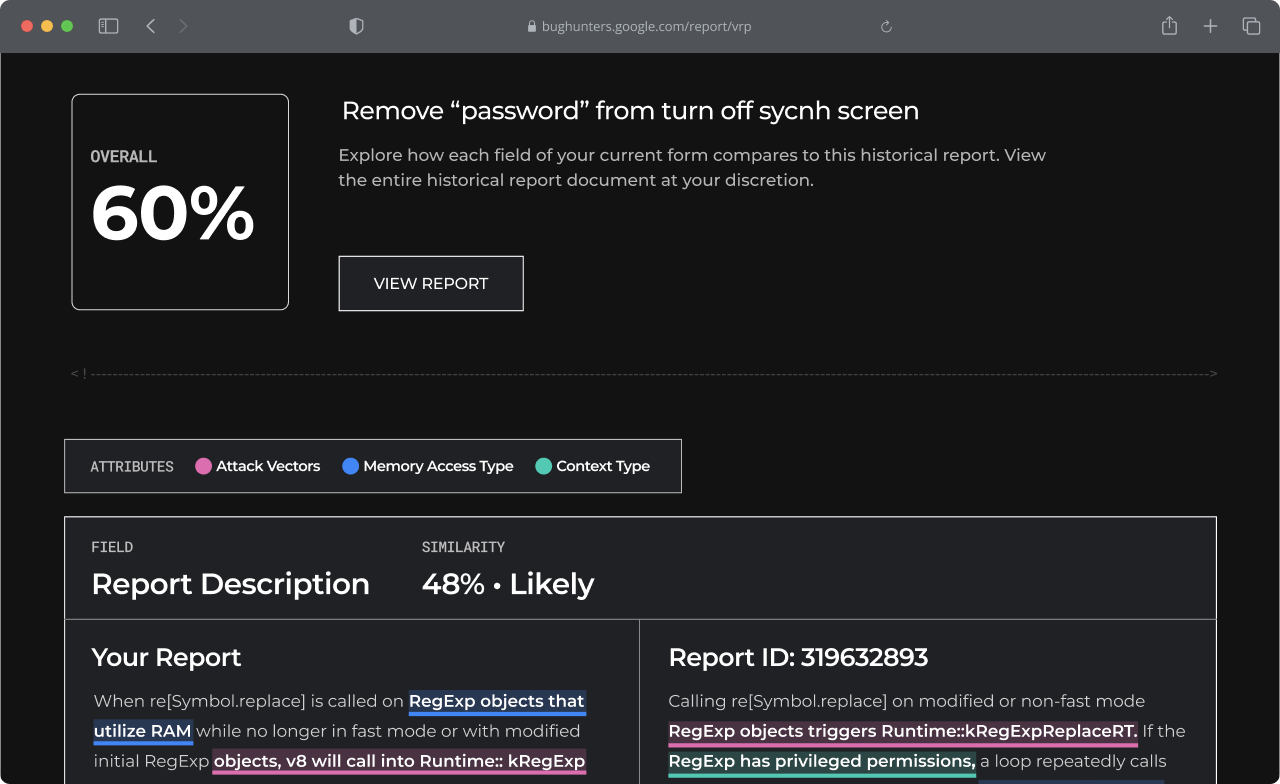
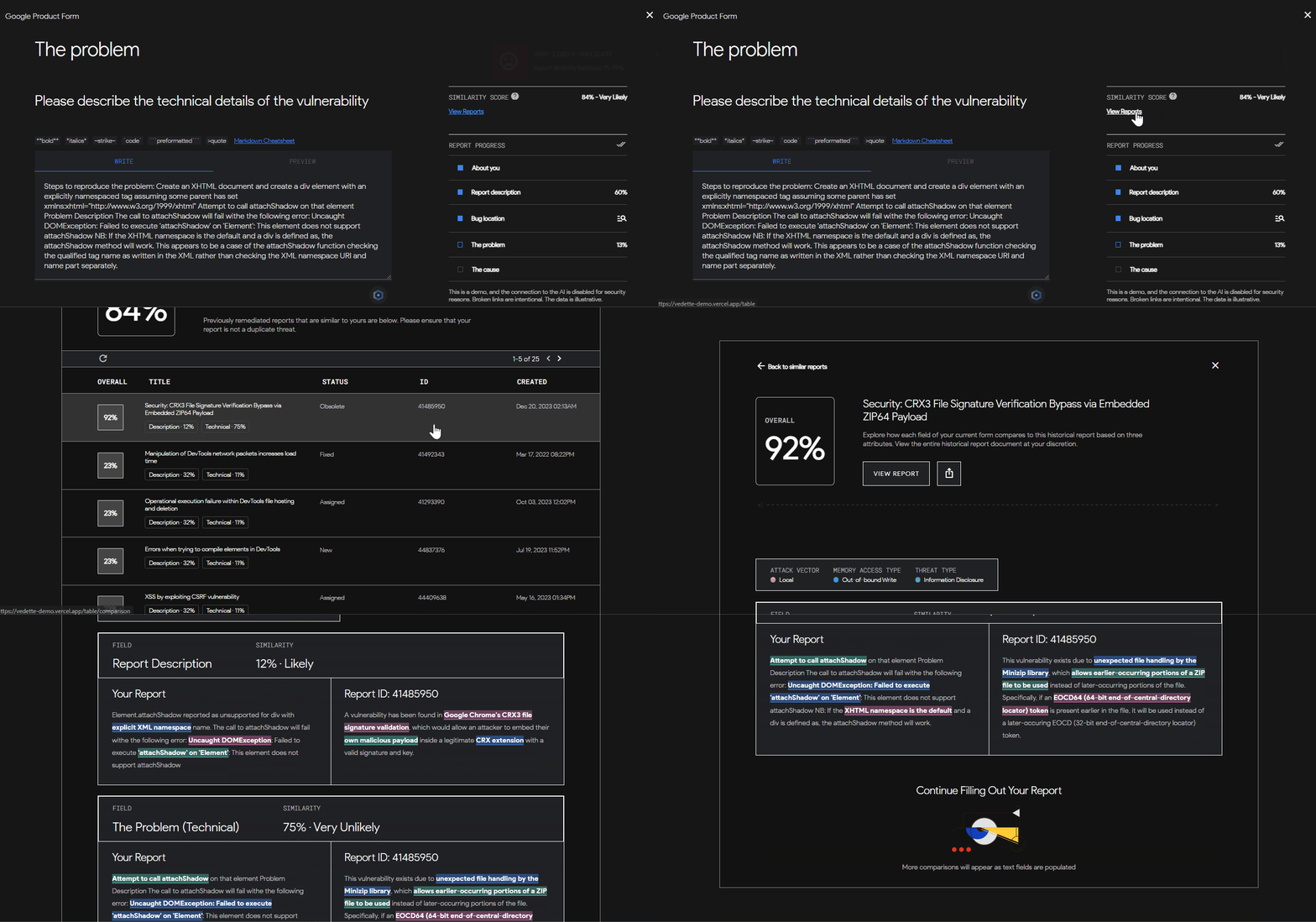
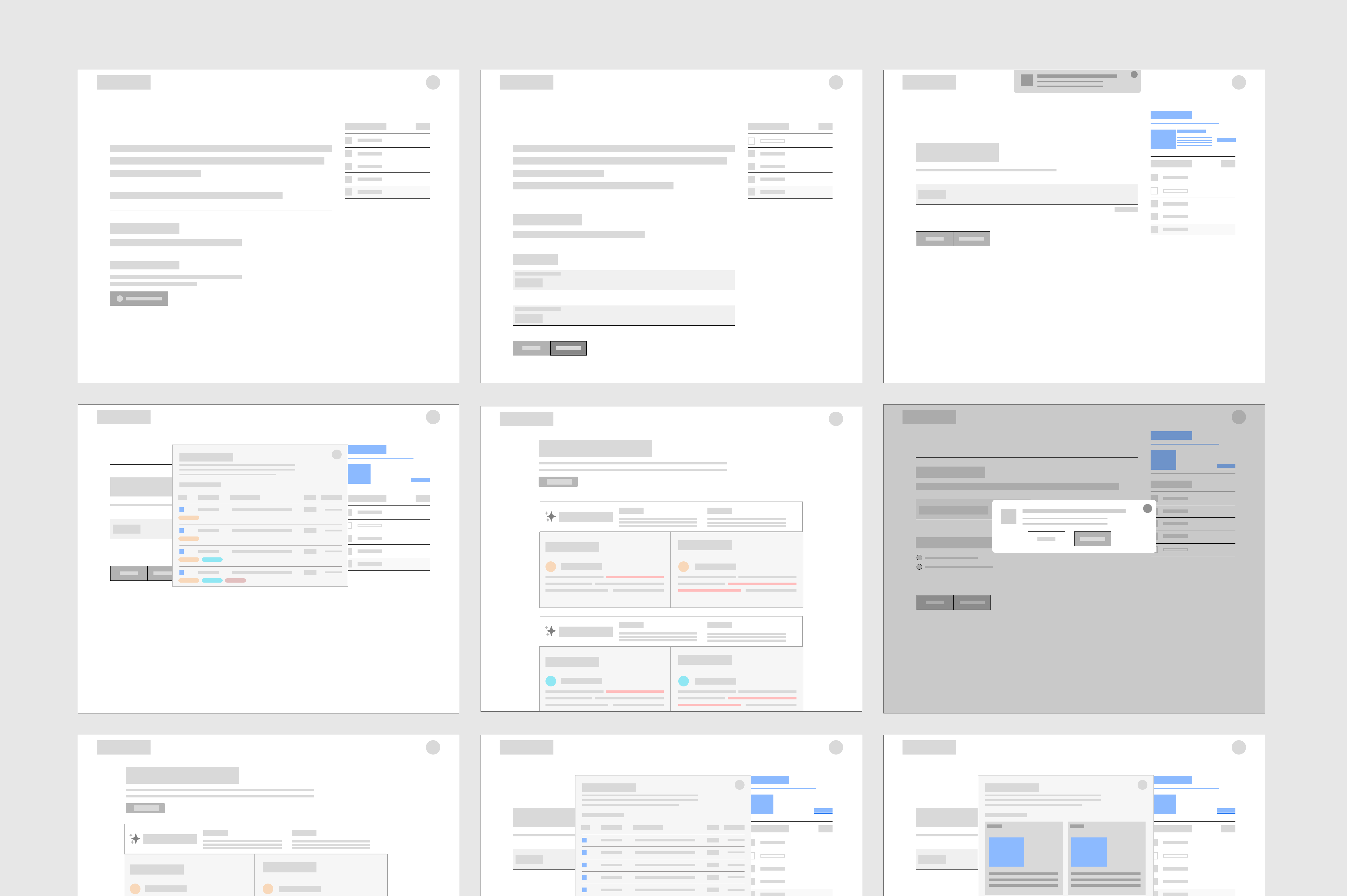
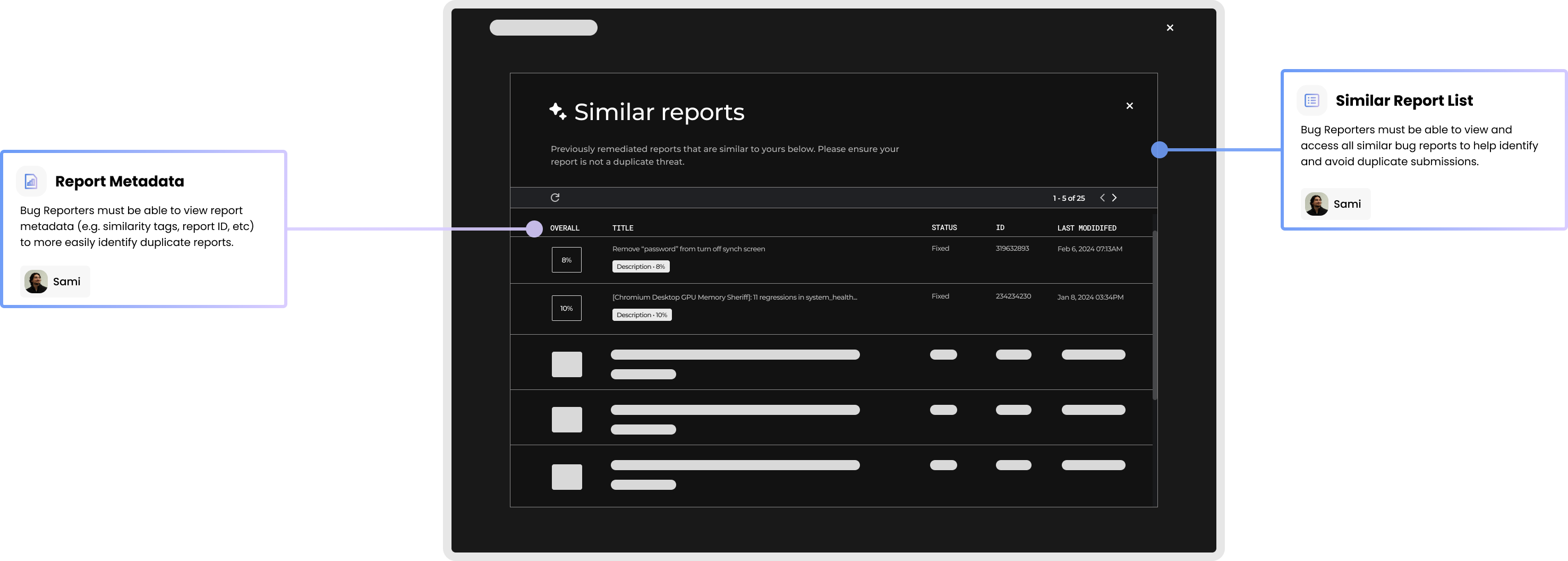
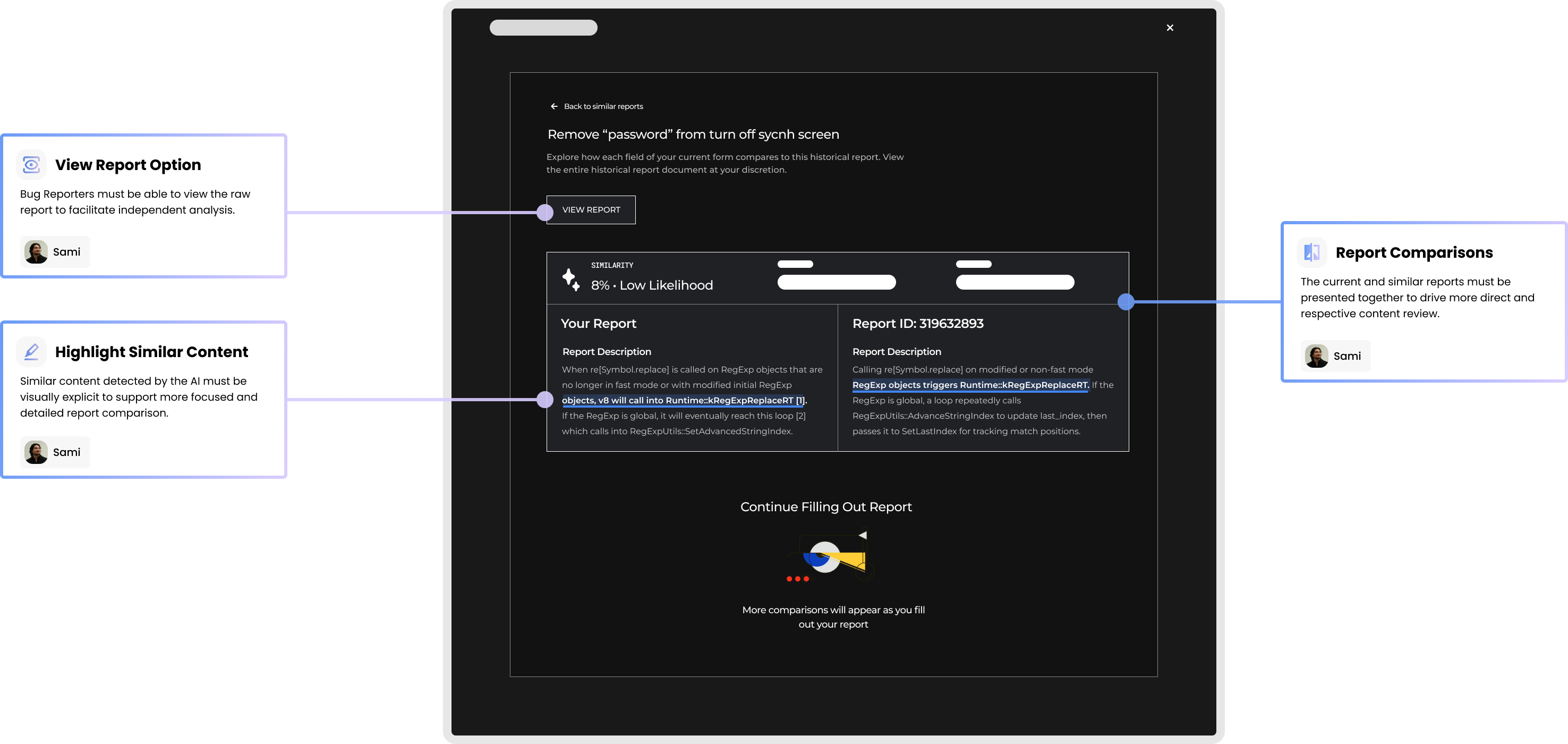
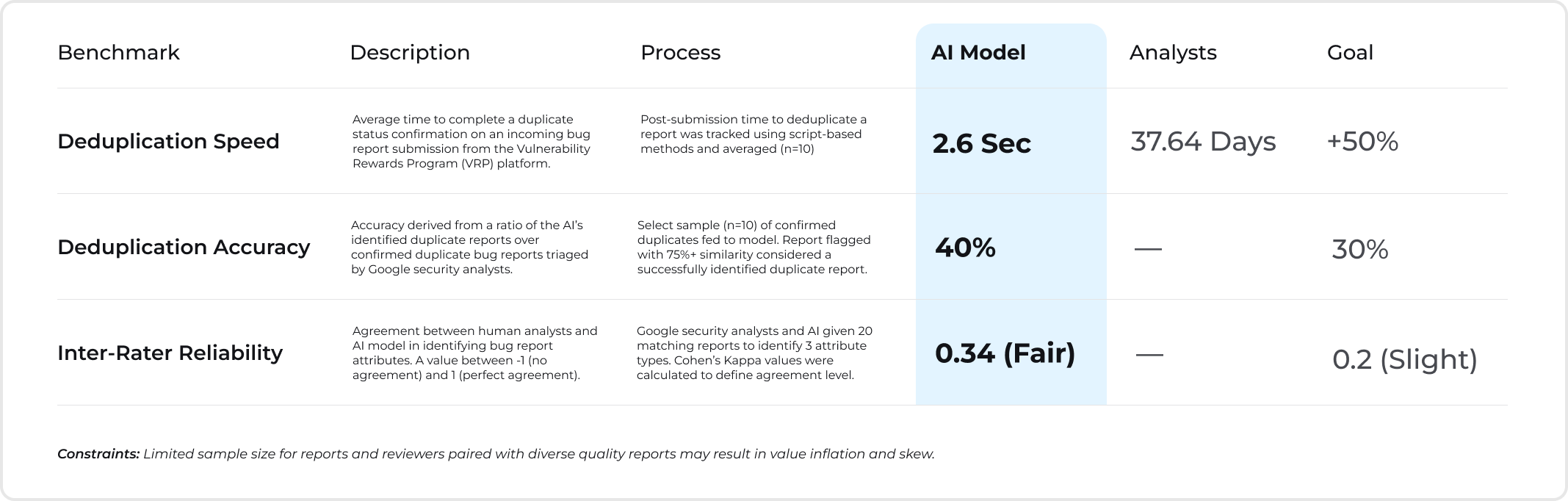
Through iterative discussions with Google, I determined a strategic focus on automating duplicate bug report checks for reporters based on time constraints and business priority.
This direction addresses critical pain points, including the lack of visibility into duplicate status and the resulting surge in redundant bug report submissions. The remaining features were documented for future investigation.
.jpg)



.png)
.png)
.png)
.png)
%20(1).png)
.png)


%20Intro.png)


.png)